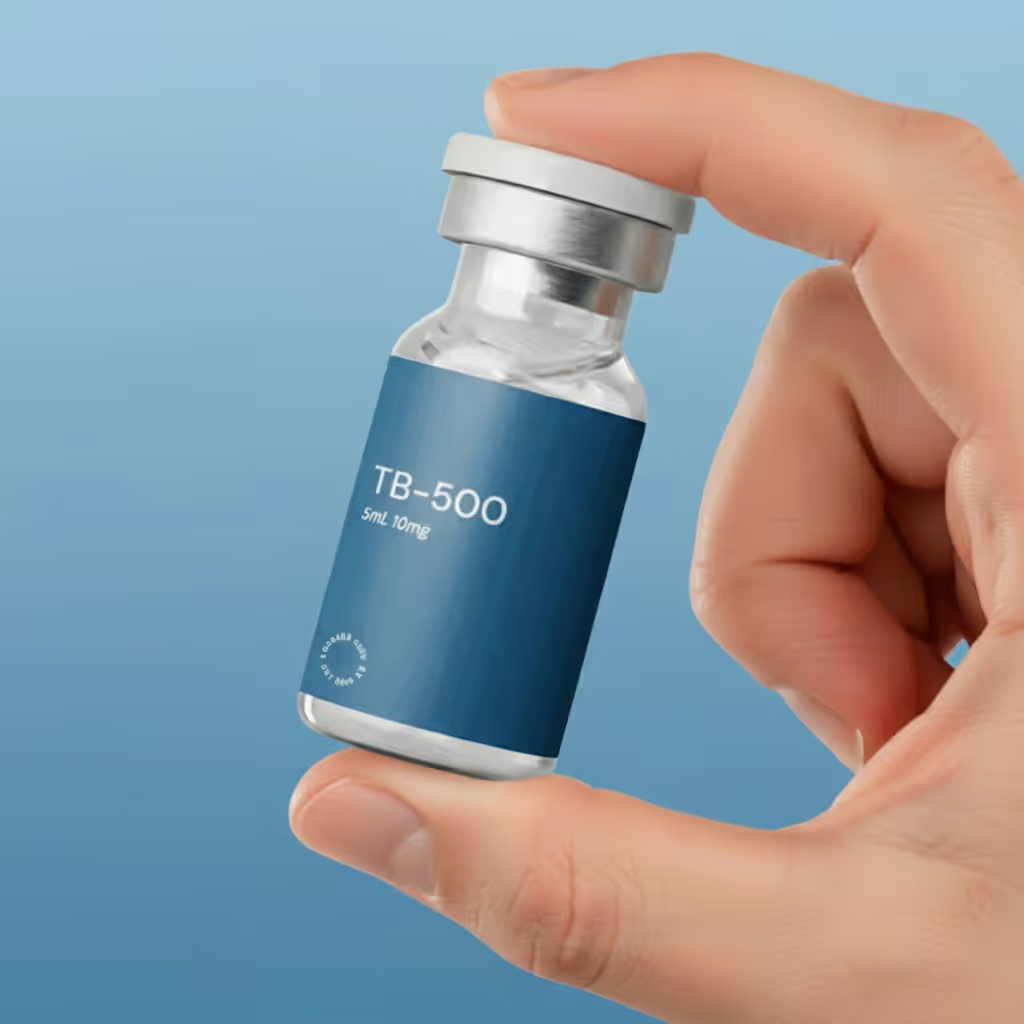
TB-500 for Tendinopathy and Chronic Tendon Pain: Benefits, Mechanism, and Clinical Use
A guide to TB-500 for tendinopathy and chronic tendon pain. Covers benefits (enhanced tissue repair, reduced inflammation, improved mobility), mechanism of action (cell migration, angiogenesis, inflammation modulation), clinical applications in sports injuries and tendonitis, clinical evidence and user-reported outcomes, safety profile (injection site reactions, blood pressure changes), recommended dosage (2–5 mg/week subcutaneous), administration best practices and monitoring, comparison with BPC-157 for tendon healing, and when TB-500 is preferred over other peptide treatments.
TB-500, a synthetic peptide derived from thymosin beta-4, has gained attention for its potential in treating tendinopathy and chronic tendon pain. This article delves into the benefits, mechanisms, and clinical applications of TB-500, providing insights into how it can aid in tendon repair and regeneration.
TB-500 for Tendinopathy and Chronic Tendon Pain
TB-500 is a peptide that plays a crucial role in the healing process of tendons and other tissues. It is particularly relevant for individuals experiencing tendinopathy, a condition characterized by pain and dysfunction in tendons.
Benefits
- Enhanced Tissue Repair: TB-500 accelerates healing by promoting cell migration and proliferation, essential for tissue regeneration.
- Reduced Inflammation: The peptide has anti-inflammatory properties that help alleviate pain and swelling associated with tendon injuries.
- Improved Mobility: By facilitating faster recovery, TB-500 allows individuals to regain mobility and return to activities more quickly.
TB-500 Accelerates Tendon Repair
accelerate the repair of ligaments, tendons, and skeletal muscle by promoting cellular migration and extracellular matrix remodeling. In research models of tendon injury, TB-500 has
— TB-500: A Synthetic Peptide with Potential in Regenerative and Cellular Research, 2025
Mechanism of Action
TB-500 enhances cell migration, vital for healing. It promotes angiogenesis, ensuring injured areas receive adequate nutrients and oxygen. It modulates inflammation, reducing pain and swelling. These mechanisms collectively support tendon tissue regeneration.
TB-500 Mechanism: Cell Migration & Tissue Regeneration
TB-500, a synthetic fragment of thymosin beta-4, is associated in research models with better-supported cell migration, actin cytoskeleton reorganization, angiogenesis, and connective tissue regeneration through increased cellular motility and vascular network formation.
| Category | Detail | Tendon Relevance |
|---|---|---|
| Benefit — Tissue Repair | Promotes cell migration and ECM remodeling | Accelerates tendon healing and regeneration |
| Benefit — Inflammation | Anti-inflammatory properties | Alleviates tendon pain and swelling |
| Benefit — Mobility | Facilitates faster recovery | Quicker return to activity |
| Mechanism — Cell Migration | Fibroblast and endothelial cell movement to injury | Essential for new tissue and blood vessel formation |
| Mechanism — Angiogenesis | New blood vessel formation | Delivers nutrients and oxygen to injured tendon |
| Application — Sports | Athletic tendon injury recovery | Accelerated return to training |
| Application — Tendonitis | Inflammatory tendon condition treatment | Pain relief and functional restoration |
Clinical Applications
- Sports Injuries: Athletes use TB-500 to expedite recovery from tendon injuries sustained during physical activities.
- Tendonitis: The peptide is effective in treating conditions where inflammation and pain are prevalent.
- Chronic Pain: TB-500 can help manage chronic tendon pain, providing relief and improving quality of life.
Clinical Evidence
Research supporting TB-500's efficacy in treating tendinopathy is limited, and while some studies indicate potential to reduce recovery time and improve functional outcomes, rigorous clinical trials are needed for conclusive evidence. User reports suggest noticeable improvements in pain levels and mobility after administration.