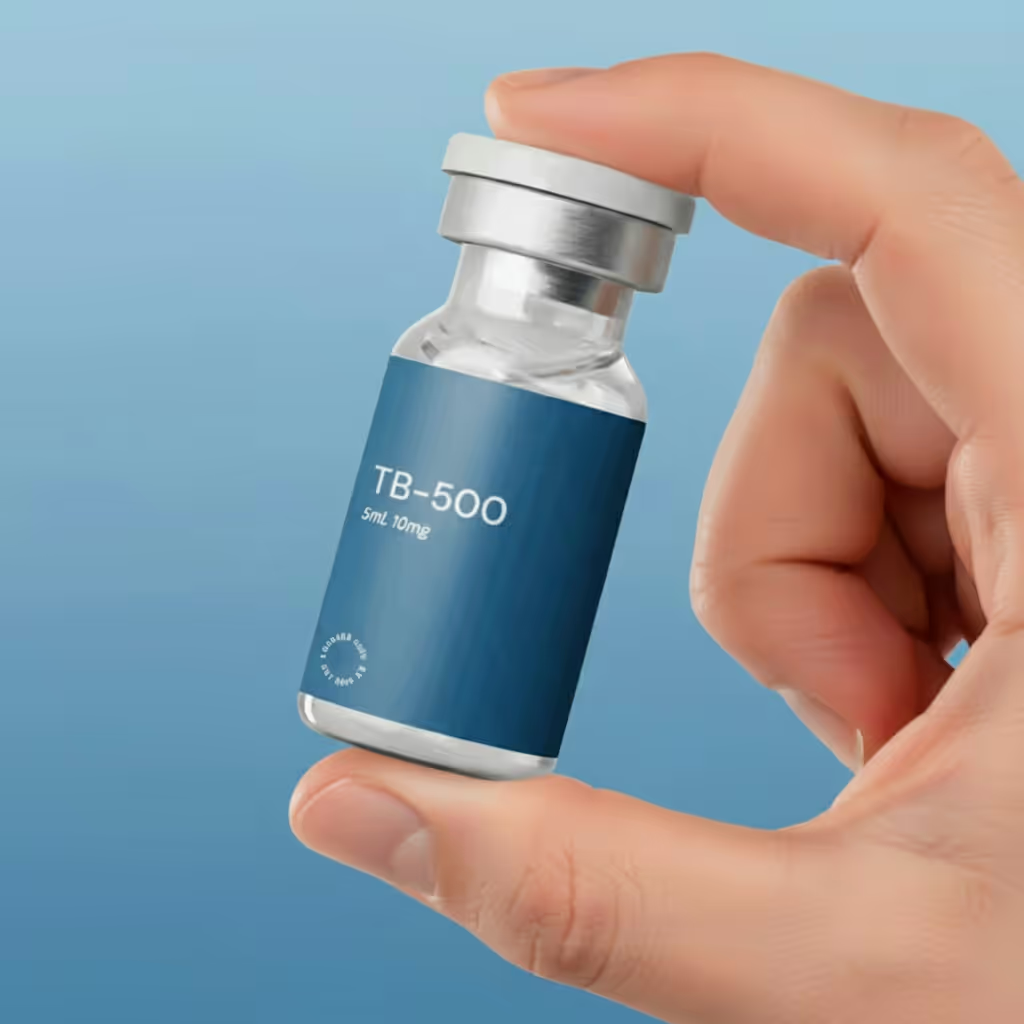
Comprehensive Guidance on TB-500 Peptide Safety and Use During Pregnancy and Lactation
Comprehensive guidance on TB-500 safety during pregnancy and lactation. Covers TB-500's mechanism of action (actin regulation, cell migration), its potential influence on immune modulation during pregnancy, limited clinical research in pregnant women, known safety profiles and limitations, potential risks during breastfeeding (breast milk transfer), ethical constraints limiting human excretion studies, recommended dosage guidelines for maternal health, key precautions for pregnant and lactating women, and the critical importance of healthcare professional consultation.
- TB-500 is an experimental research compound (43 amino acids) NOT approved for human therapeutic use — this includes pregnancy and lactation contexts.
- TB-500's mechanism involves actin regulation for cell migration and tissue repair, which may support maternal tissue adaptation during pregnancy.
- Clinical studies on TB-500 use in pregnant women are extremely scarce — the safety profile during pregnancy is uncertain.
- TB-500 may be present in breast milk, but the extent of transfer and implications for nursing infants remain unclear.
- Ethical constraints prevent human excretion studies for unapproved drugs like TB-500, further limiting safety data.
- Three human trials have established some clinical safety data, but TB-500 still has potential to cause serious side effects.
- TB-500 may influence immune modulation during pregnancy, potentially affecting inflammatory responses — but evidence is preliminary.
- Pregnant and breastfeeding women should NOT use TB-500 without explicit healthcare professional guidance; conservative dosing and regular monitoring are essential if considered.
In this article
TB-500, a synthetic peptide derived from thymosin beta-4, has garnered attention for its potential therapeutic benefits, particularly in the context of pregnancy and lactation. This article aims to provide comprehensive guidance on the safety and use of TB-500 during these critical periods.
What Is TB-500 Peptide and How Does It Function in Pregnancy?
TB-500 peptide is a synthetic form of thymosin beta-4, a naturally occurring peptide that plays a crucial role in tissue repair and regeneration. Its mechanism of action involves promoting cell migration and proliferation, which is particularly beneficial during pregnancy when the body undergoes significant changes.
TB-500: Definition, Mechanisms, and Unapproved Research Status
TB-500 is a synthetic peptide consisting of 43 amino acids derived from Thymosin Beta-4, a naturally occurring protein found in blood platelets and wound fluid. Primary mechanism involves actin regulation — TB-500 works by modulating actin polymerization, which facilitates cell migration and tissue repair processes. Not approved for human use — TB-500 remains an experimental research compound without FDA approval for therapeutic applications.
What Is the Mechanism of Action of TB-500 in Maternal Tissue Repair?
TB-500 facilitates tissue repair by promoting the migration of cells to damaged areas, enhancing the healing process. This mechanism is particularly important during pregnancy, as the body experiences various physical changes that can lead to tissue stress.
How Does TB-500 Influence Immune Modulation During Pregnancy?
During pregnancy, the immune system undergoes significant changes to protect both the mother and the fetus. TB-500 has the potential to influence immune modulation, which may enhance the body's ability to manage inflammation and immune responses.
What Does Current Clinical Research Reveal About TB-500 Safety in Pregnancy?
Current clinical research on TB-500's safety during pregnancy is limited, but existing studies provide valuable insights.
Which Clinical Studies Address TB-500 Use in Pregnant Women?
While specific studies on TB-500 use in pregnant women are scarce, research on its effects in other populations suggests an uncertain safety profile. Preliminary findings indicate that TB-500 may not pose significant risks when used appropriately, but more targeted research is needed.
What Are the Known Safety Profiles and Limitations of TB-500 in Pregnancy?
The safety profile of TB-500 indicates that it is generally well-tolerated, with few reported side effects. However, limitations in current research highlight the need for caution.
3 human trials on TB-500 have established its clinical safety, on its side effects and standing as a research-only peptide. TB-500 has the potential to cause serious side effects.
In this article