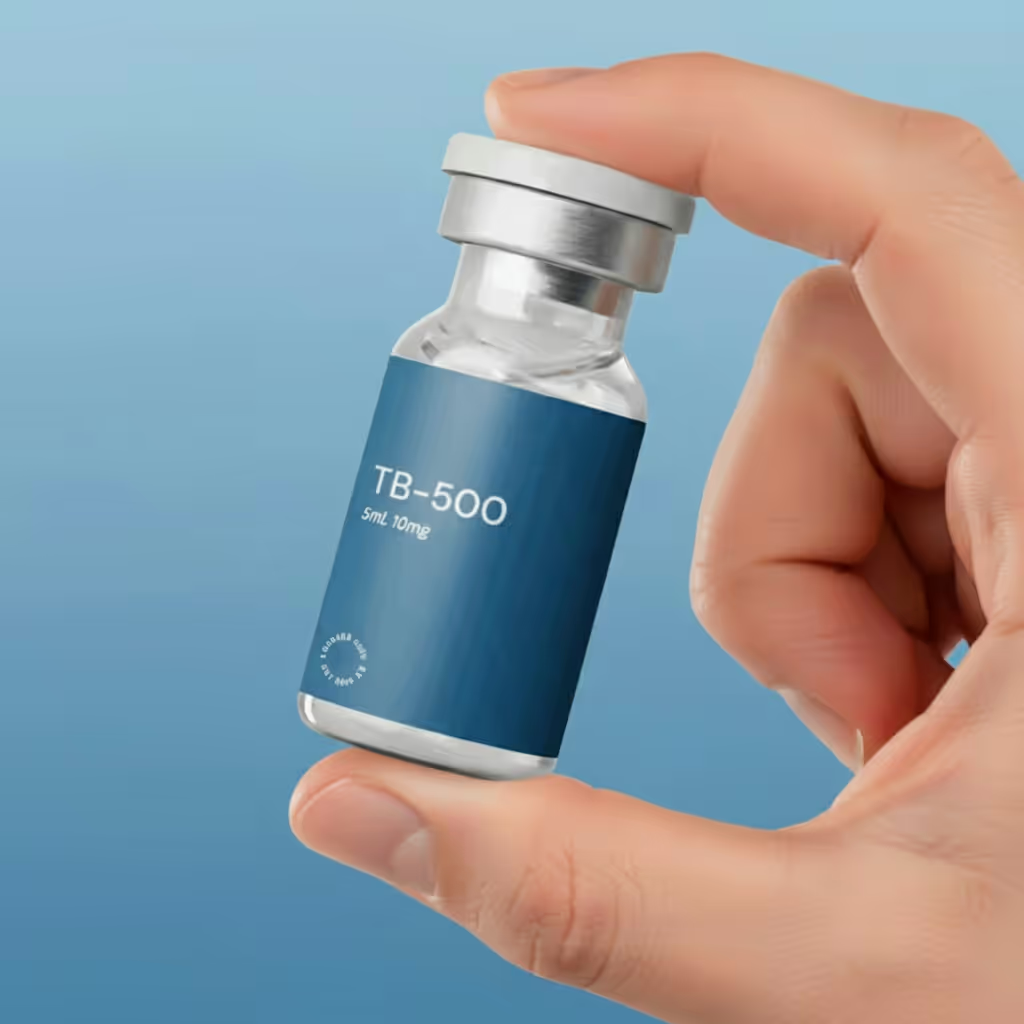
TB-500 Myths vs Facts: Evidence-Based Answers on Peptide Benefits and Safety
An evidence-based guide debunking TB-500 myths and confirming facts. Covers TB-500 overview as a synthetic thymosin beta-4 analog, documented benefits (tissue repair, inflammation reduction, condition support), safety and side effects profile, three major myths debunked (performance-enhancing drug, no scientific backing, unsafe for humans), mechanism of action and how it supports tissue regeneration, scientific evidence explaining TB-500's role in healing, current clinical research on efficacy, specialized recovery potential for bone/heart/brain, and known safety profile with side effect considerations.
- TB-500 is a synthetic peptide analog of thymosin beta-4 that promotes cell migration, reduces inflammation, and enhances tissue regeneration.
- MYTH: TB-500 is a performance-enhancing drug. FACT: TB-500 is primarily used for its healing properties, not classified as a performance-enhancing substance.
- MYTH: TB-500 has no scientific backing. FACT: Limited studies support its efficacy in promoting healing and tissue repair.
- MYTH: TB-500 is unsafe for human use. FACT: When used appropriately under medical supervision, TB-500 has a favorable safety profile.
- Benefits include enhanced tissue repair (moderate evidence), reduced inflammation (moderate evidence), and support for soft tissue injury recovery.
- Specialized research shows TB-500 may enhance bone remodeling, heart muscle repair post-MI, and neurological outcomes in brain injury models.
- Common side effects are mild: injection site irritation and transient headaches. Serious side effects are rare.
- Current clinical evidence is moderate and growing — more human trials are needed for definitive conclusions.
In this article
TB-500, a synthetic peptide derived from thymosin beta-4, has garnered attention for its potential therapeutic benefits, particularly in tissue regeneration and healing. This article aims to clarify common misconceptions surrounding TB-500 by providing evidence-based answers to frequently asked questions.
In the rapidly evolving world of peptide research, few compounds have generated as much scientific interest as TB-500. This synthetic peptide, derived from the naturally occurring protein Thymosin Beta-4, has captured the attention of researchers worldwide for its remarkable potential in cellular repair and regeneration studies.
TB-500 Overview
TB-500 is a synthetic peptide that mimics the naturally occurring thymosin beta-4, a protein that plays a crucial role in tissue repair and regeneration. This peptide is known for its ability to promote cell migration, reduce inflammation, and enhance healing processes. Its significance in the realm of peptide therapy lies in its potential to accelerate recovery from injuries and improve overall tissue health.
Benefits of TB-500 Therapy
TB-500 therapy offers several notable benefits:
- Enhanced Tissue Repair: Promotes faster healing of wounds and injuries by stimulating cell migration and proliferation.
- Reduced Inflammation: Has anti-inflammatory properties that help alleviate pain and swelling associated with injuries.
- Support for Various Conditions: May assist in the treatment of tendon injuries, muscle strains, and other soft tissue injuries.
Safety and Side Effects
TB-500 is generally well-tolerated, with few reported side effects. Common side effects may include mild irritation at the injection site or transient headaches. Serious side effects are rare, but it is essential to consult with a healthcare professional before starting any peptide therapy.
Common Myths and Evidence-Based Facts
- Myth: TB-500 is a performance-enhancing drug. Fact: TB-500 is primarily used for its healing properties and is not classified as a performance-enhancing substance.
- Myth: TB-500 has no scientific backing. Fact: Limited studies support the efficacy of TB-500 in promoting healing and tissue repair.
- Myth: TB-500 is unsafe for human use. Fact: When used appropriately under medical supervision, TB-500 has a favorable safety profile.
In this article