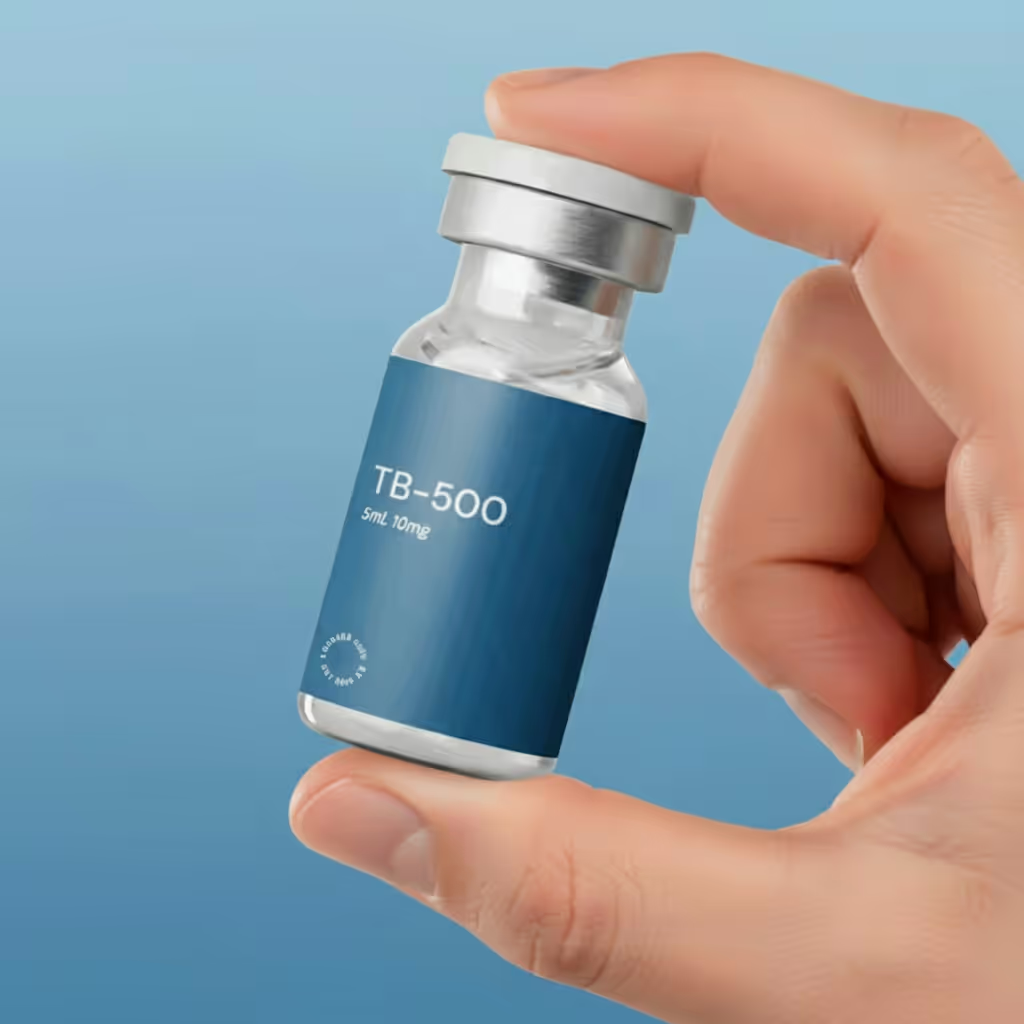
Integrating TB500 Peptide Treatment with Physical Therapy Programs for Enhanced Injury Recovery
A guide to integrating TB-500 peptide treatment with physical therapy for enhanced injury recovery. Covers mechanisms of action (cell migration, angiogenesis, inflammation reduction), key benefits (faster recovery, improved flexibility, systemic healing), supporting evidence from clinical research, best practices for implementation (dosing protocol, PT integration, monitoring), physical therapy techniques that complement TB-500 (manual therapy, stretching, strength training), recommended safety guidelines and dosage (2–5 mg/week), known side effects and precautions, and how to structure TB-500 dosage within physical therapy programs.
- TB-500 enhances physical therapy outcomes by promoting cell migration, angiogenesis, and reducing inflammation at injury sites.
- Key benefits of integration: faster recovery, improved flexibility and range of motion, and systemic healing across multiple injury sites.
- TB-500 dosages typically range from 2–5 mg per week, coordinated with PT sessions for maximum synergy.
- Complementary PT techniques include manual therapy (massage, mobilization), stretching exercises, and progressive strength training.
- Supporting evidence indicates patients receiving TB-500 alongside PT experience improved outcomes vs PT alone, though more human trials are needed.
- Best practices: establish clear dosing protocol, coordinate TB-500 administration with PT sessions, and monitor/adjust regularly.
- TB-500 is generally well-tolerated; side effects may include mild injection site irritation and potential allergic reactions.
- A loading phase followed by maintenance dosing optimizes therapeutic effects throughout the rehabilitation journey.
In this article
The integration of TB500 peptide treatment with physical therapy programs represents a significant advancement in injury recovery strategies. TB500, a synthetic peptide derived from thymosin beta-4, plays a crucial role in tissue repair and regeneration. This article explores how TB500 can enhance physical therapy outcomes.
TB500 is a synthetic version of Thymosin Beta-4, a naturally occurring peptide that plays crucial roles in cellular repair and regeneration processes. Research applications focus primarily on wound healing mechanisms, angiogenesis studies, and cellular migration research in laboratory settings.
Mechanisms of Action
TB500 works by promoting cell migration and tissue repair. It enhances angiogenesis, improving blood flow to injured areas. Additionally, TB500 reduces inflammation, allowing for a more conducive environment for healing.
TB-500 Mechanisms: Cell Migration & Tissue Regeneration
TB-500, a synthetic fragment of thymosin beta-4, is associated in research models with better-supported cell migration, actin cytoskeleton reorganization, angiogenesis, and connective tissue regeneration through increased cellular motility and vascular network formation.
Key Benefits
- Faster Recovery: TB500 significantly shortens healing time, allowing patients to return to normal activities more quickly.
- Improved Flexibility and Range of Motion: The peptide aids in reducing stiffness and enhancing mobility during rehabilitation.
- Systemic Healing: TB500's effects are not localized; it promotes healing throughout the body, benefiting multiple injury sites simultaneously.
Supporting Evidence
The supporting evidence for TB500's role in injury recovery is not yet conclusive. While there are studies suggesting its effectiveness, more human clinical trials are necessary. Initial research indicates faster muscle repair and reduced inflammation, and the peptide's ability to promote angiogenesis further supports its proposed use in physical therapy settings.
In this article