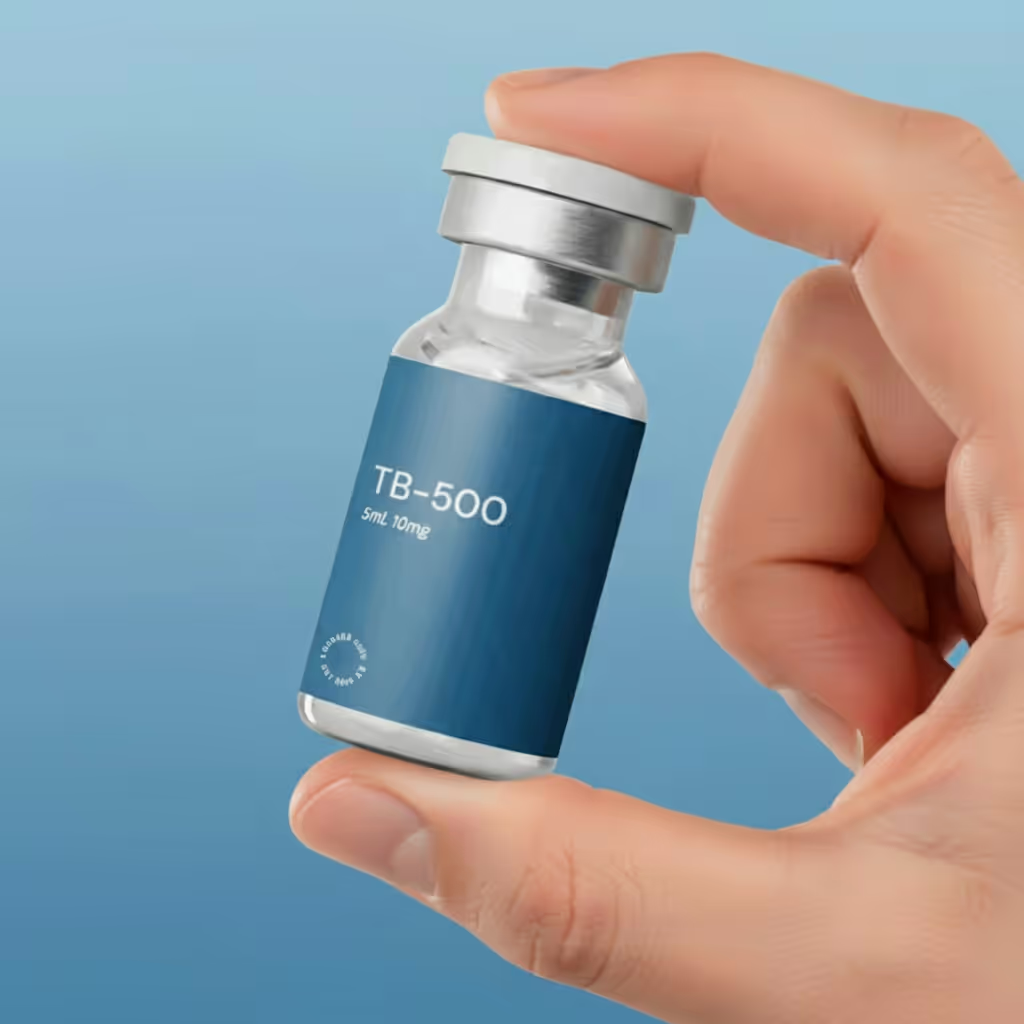
Combining TB-500 with BPC-157: Evidence-Based Protocols and Therapeutic Benefits
A guide to combining TB-500 with BPC-157 for enhanced tissue repair and recovery. Covers recommended dosages (TB-500: 2–2.5 mg twice/week; BPC-157: 250–500 mcg daily), therapeutic benefits of each peptide individually and in combination, the "Wolverine blend" synergy concept, TB-500's systemic healing via actin regulation and angiogenesis, BPC-157's localized repair via VEGF upregulation and collagen production, potential side effects, clinical outcomes reported by athletes and post-surgical patients, safety considerations, and important notes on FDA status and sourcing.
- TB-500 and BPC-157 combined — sometimes called the "Wolverine blend" — offer complementary regenerative properties for tissue repair.
- Recommended dosages: TB-500 at 2–2.5 mg twice a week, BPC-157 at 250–500 mcg daily, both via subcutaneous injection.
- TB-500 provides systemic healing through actin regulation, cell migration, and angiogenesis promotion.
- BPC-157 provides localized repair through VEGF upregulation, collagen production, and cell proliferation.
- The synergy works because BPC-157 stimulates blood vessel creation and collagen while TB-500 aids cellular migration and tissue remodeling.
- Clinical outcomes include improved pain, mobility, and accelerated recovery times — particularly noted by athletes and post-surgical patients.
- Common side effects are mild: injection site irritation, fatigue, and headaches; both peptides are generally well-tolerated.
- Consult a healthcare provider before starting; verify FDA status and source from reputable suppliers.
In this article
The combination of TB-500 and BPC-157 has garnered significant attention in the realm of peptide therapy, particularly for their potential in enhancing tissue repair and recovery. This article delves into the protocols and evidence surrounding these peptides, providing insights into their recommended dosages, therapeutic benefits, potential side effects, and mechanisms of action. Understanding how TB-500 and BPC-157 work together can offer a promising pathway for those looking to optimize their healing processes.
BPC-157 & TB-500 Blend: Regenerative Properties for Tissue Repair — In the expanding field of peptide-based research, a combination of two bioactive molecules — BPC-157 and TB-500 — has garnered attention under the moniker "Wolverine blend." The blend is thought to hold complementary regenerative properties that may support tissue repair, angiogenesis, and inflammatory modulation in research models. — Regenerative Synergy Research: BPC-157 and TB-500 Peptide Blend
Recommended Dosage
When considering the use of TB-500 and BPC-157, understanding the appropriate dosages is crucial for achieving optimal results.
These dosages are based on current research and anecdotal evidence from users. It is essential to adhere to these guidelines to maximize the therapeutic effects while minimizing potential side effects.
Therapeutic Benefits
TB-500 and BPC-157 offer a range of therapeutic benefits that can significantly enhance recovery and healing. TB-500 is known for its systemic healing properties, promoting tissue regeneration and reducing inflammation. BPC-157, on the other hand, exhibits localized repair benefits, particularly in soft tissue injuries. Together, these peptides can provide a comprehensive approach to recovery, addressing both systemic and localized healing needs.
An evidence-based analysis of the mechanistic differences, overlapping research domains, and combined investigation potential of two leading repair-associated research peptides. Among the peptides most commonly referenced in preclinical tissue-repair research, BPC-157 and Thymosin Beta-4 (TB-500) occupy adjacent but mechanistically distinct positions. Both have accumulated substantial preclinical literature examining their roles in wound healing, musculoskeletal recovery, and vascular biology. Yet their molecular origins, primary signaling axes, and tissue-level profiles differ in ways that make a direct comparison scientifically instructive.
Potential Side Effects
While TB-500 and BPC-157 are generally well-tolerated, it is important to be aware of potential side effects. Common side effects may include mild irritation at the injection site, fatigue, and headaches. Monitoring for these effects can help ensure a safe and effective treatment experience.
Clinical Outcomes
Users of TB-500 and BPC-157 have reported various clinical outcomes, including improvements in pain and mobility. Athletes and post-surgical patients have particularly noted the effectiveness of these peptides in accelerating recovery times and enhancing overall performance. The anecdotal evidence supports the growing interest in these peptides as viable options for recovery and rehabilitation.
Important Considerations
Before starting peptide therapy with TB-500 and BPC-157, it is crucial to consult with a healthcare provider. Understanding the FDA status of these peptides and ensuring they are sourced from reputable suppliers can help mitigate risks associated with their use. Additionally, individual health conditions and potential interactions with other medications should be considered.
In this article