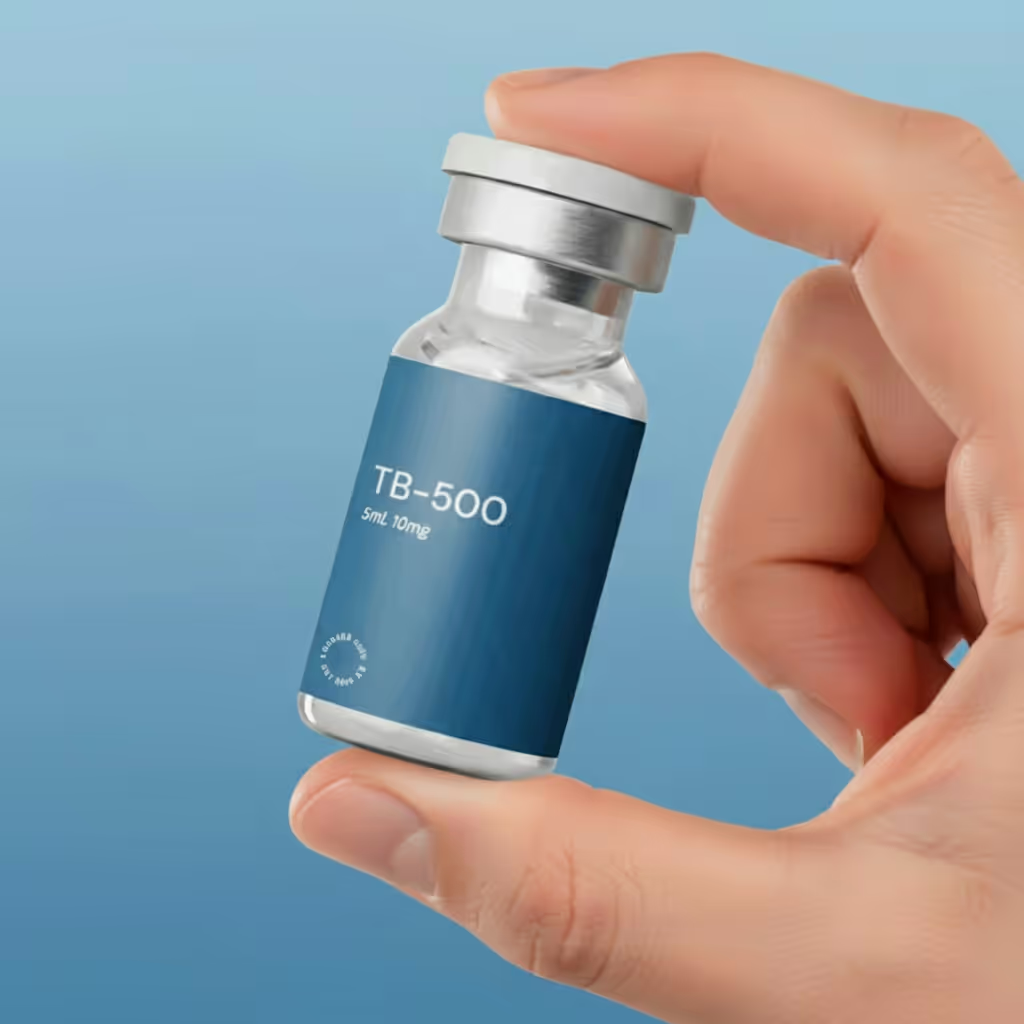
Comprehensive Clinical Evidence and Research on TB-500 Peptide: Mechanisms, Trials, and Therapeutic Insights
A comprehensive overview of clinical evidence and research on TB-500 peptide. Covers applications in soft tissue injuries, wound healing, and cardiac health, clinical trial insights on efficacy and safety, mechanisms of action (cell migration, angiogenesis, inflammation modulation), molecular mechanism and relation to thymosin beta-4, biochemical pathways for tissue regeneration, dosing protocols (loading and maintenance phases), known side effects and safety considerations, and broader therapeutic potential including bone, heart, and brain repair.
- TB-500 is a synthetic analog of thymosin beta-4 with documented applications in soft tissue injuries, wound healing, and cardiac health.
- Clinical trials show TB-500 accelerates healing and improves recovery times, with a well-tolerated safety profile and few reported adverse effects.
- Primary mechanisms include cell migration promotion, angiogenesis stimulation, and inflammation modulation for balanced healing.
- TB-500 enhances actin production — a protein vital for cell movement — facilitating migration of cells to injury sites.
- Dosing follows a loading phase (2–4 mg every other day for 2–4 weeks) then maintenance (2–4 mg once weekly, ongoing).
- Side effects are generally mild: injection site irritation, transient fatigue, and rare allergic reactions.
- Emerging research highlights broader therapeutic potential including bone remodeling, heart muscle repair post-MI, and neurological recovery.
- TB-500 may be combined with other peptides to enhance overall therapeutic outcomes under professional guidance.
In this article
TB-500 peptide, a synthetic analog of thymosin beta 4, has garnered attention for its potential therapeutic applications in various medical fields. This article delves into the clinical evidence and research surrounding TB-500, exploring its mechanisms of action, clinical trials, dosing protocols, side effects, and therapeutic insights. Readers will gain a comprehensive understanding of how TB-500 functions at a biochemical level and its implications for tissue regeneration and healing. As interest in peptide therapies grows, understanding the clinical evidence supporting TB-500's efficacy becomes crucial for both practitioners and patients.
Clinical Evidence and Research
The clinical evidence surrounding TB-500 peptide highlights its applications in soft tissue injuries, wound healing benefits, and potential cardiac health improvements. Research indicates that TB-500 promotes cell migration and tissue regeneration, making it a valuable tool in recovery protocols. Studies have shown that TB-500 can enhance the healing process in various injuries, including muscle and tendon damage, by facilitating the repair of damaged tissues. Furthermore, its role in modulating inflammation suggests that TB-500 may have broader implications for managing chronic inflammatory conditions.
TB500: Breakthrough Peptide for Tissue Repair & Regeneration
TB500, also known as Thymosin Beta-4, represents a breakthrough in peptide science that continues to unlock new possibilities for researchers exploring cellular mechanisms and tissue development. This synthetic peptide has become a cornerstone in research facilities studying wound healing, angiogenesis, and cellular migration patterns.
— Peptide TB500: The Complete Research Guide for 2025, 2025
Clinical Trials
Clinical trials investigating TB-500 have provided insights into its efficacy and safety profile. These trials typically focus on the peptide's ability to accelerate healing and improve recovery times in patients with soft tissue injuries. Current research indicates that TB-500 is well-tolerated, with few reported adverse effects. However, limitations in existing studies, such as small sample sizes and lack of long-term data, necessitate further investigation to establish comprehensive safety and efficacy profiles.
Mechanisms of Action
TB-500 operates through several biochemical pathways that enhance tissue regeneration. One of its primary mechanisms is the promotion of cell migration, which is crucial for effective healing. Additionally, TB-500 stimulates angiogenesis, the formation of new blood vessels, which is essential for delivering nutrients and oxygen to healing tissues. The peptide also modulates inflammation, reducing excessive inflammatory responses that can hinder recovery. These mechanisms collectively contribute to TB-500's effectiveness in promoting wound healing and tissue repair.
What is the Molecular Mechanism of TB-500 Peptide and Its Relation to Thymosin Beta 4?
The molecular mechanism of TB-500 is closely related to its parent compound, thymosin beta 4. TB-500 enhances the production of actin, a protein vital for cell movement and structure. This action facilitates the migration of cells to injury sites, promoting faster healing. By mimicking thymosin beta 4, TB-500 leverages similar pathways to support tissue regeneration and repair.
TB-500 Mechanism: Actin Regulation for Cell Repair
Primary mechanism involves actin regulation — TB-500 works by modulating actin polymerization, which facilitates cell migration and tissue repair processes
— What is TB-500: A Comprehensive Guide to This Research Peptide
How does TB-500 act as an analog of thymosin beta 4?
As an analog of thymosin beta 4, TB-500 shares structural similarities that allow it to bind to the same receptors in the body. This binding initiates a cascade of cellular responses that enhance healing processes. The peptide's ability to mimic thymosin beta 4's effects makes it a potent agent for promoting recovery from injuries and surgeries.
What are the biochemical pathways involved in TB-500's tissue regeneration?
TB-500 influences several biochemical pathways, including those involved in cell proliferation, migration, and angiogenesis. By enhancing these pathways, TB-500 accelerates the healing process, allowing for quicker recovery from injuries. The peptide's role in modulating inflammation also contributes to its effectiveness, as it helps maintain a balanced healing environment.
In this article